Why Am I Always Overthinking?
If your mind won't stop replaying conversations or worrying about "what ifs," you're not broken, you're overthinking, and it's more common (and treatable) than you think.
Why Am I Always Overthinking?
You lie down to sleep and your brain decides it's the perfect time to replay that awkward thing you said three years ago. You send a text and then spend twenty minutes analyzing every possible way it could be misread. If this sounds familiar, you're not alone — and you're not "too sensitive" or "dramatic." You're overthinking, and it's one of the most common struggles people bring into therapy.
What Overthinking Actually Is
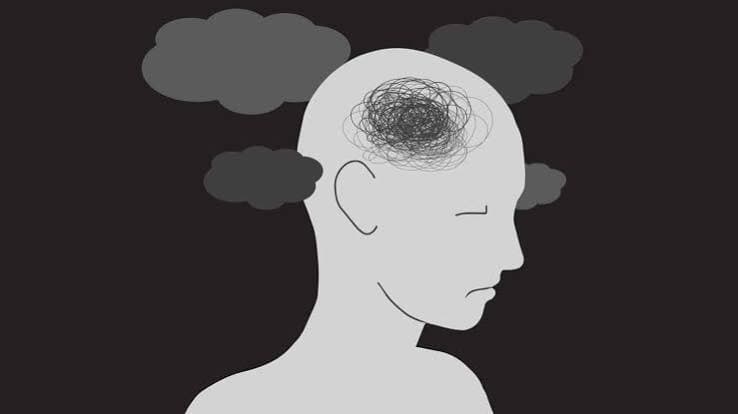
Overthinking is the habit of dwelling on the same thoughts, worries, or decisions without reaching resolution. It usually shows up in two forms:
Rumination — replaying past events, mistakes, or conversations
Worry — spiraling about future events that haven't happened yet
Both feel productive in the moment. Your brain convinces you that if you just think about it enough, you'll find the answer, avoid the mistake, or prevent the bad outcome. In reality, overthinking rarely produces clarity — it produces exhaustion.
Why Your Brain Does This
Overthinking is often the mind's attempt to create a sense of control in the face of uncertainty. It can be linked to:
Anxiety — a nervous system that's primed to scan for threats
Perfectionism — a fear of getting things wrong
Past experiences — where being "on guard" or over-preparing once felt necessary
Low tolerance for uncertainty — needing to know outcomes before they happen
None of these mean something is wrong with you. They mean your brain learned a coping strategy that's no longer serving you well.
Signs Overthinking Has Become a Pattern
• Replaying conversations long after they're over
• Struggling to make decisions because you're stuck weighing every option
• Physical tension — a racing heart, tight shoulders, or trouble sleeping
• Feeling mentally exhausted even without doing much physically
• Avoiding decisions or situations altogether to avoid the spiral
What Actually Helps
1. ### Name it when it's happening. Simply noticing "I'm overthinking right now" creates a small gap between you and the thought loop.
2. ### Set a worry window. Give yourself 10–15 minutes a day to worry on purpose. Outside that window, gently redirect your attention.
3. ### Ask: "Is this useful or just repetitive?" Useful thinking moves toward a decision or action. Repetitive thinking just loops.
4. ### Ground yourself in the present. Simple sensory check-ins (what you can see, hear, and feel right now) interrupt the loop by anchoring you outside your head.
5. ### Talk to someone. Overthinking often has roots — anxiety, past experiences, or unprocessed stress — that are hard to untangle alone. A therapist can help you understand the "why" behind the pattern, not just manage the symptom.
You Don't Have to Think Your Way Out of This
Overthinking convinces you that more thinking is the solution. Usually, it's the opposite — what helps is learning to sit with uncertainty, quiet the noise, and build new patterns of responding to stress. That's work therapy is especially good at supporting.
If overthinking is affecting your sleep, relationships, or daily functioning, it may be time to talk to a therapist. You don't have to figure this out alone.
About the author