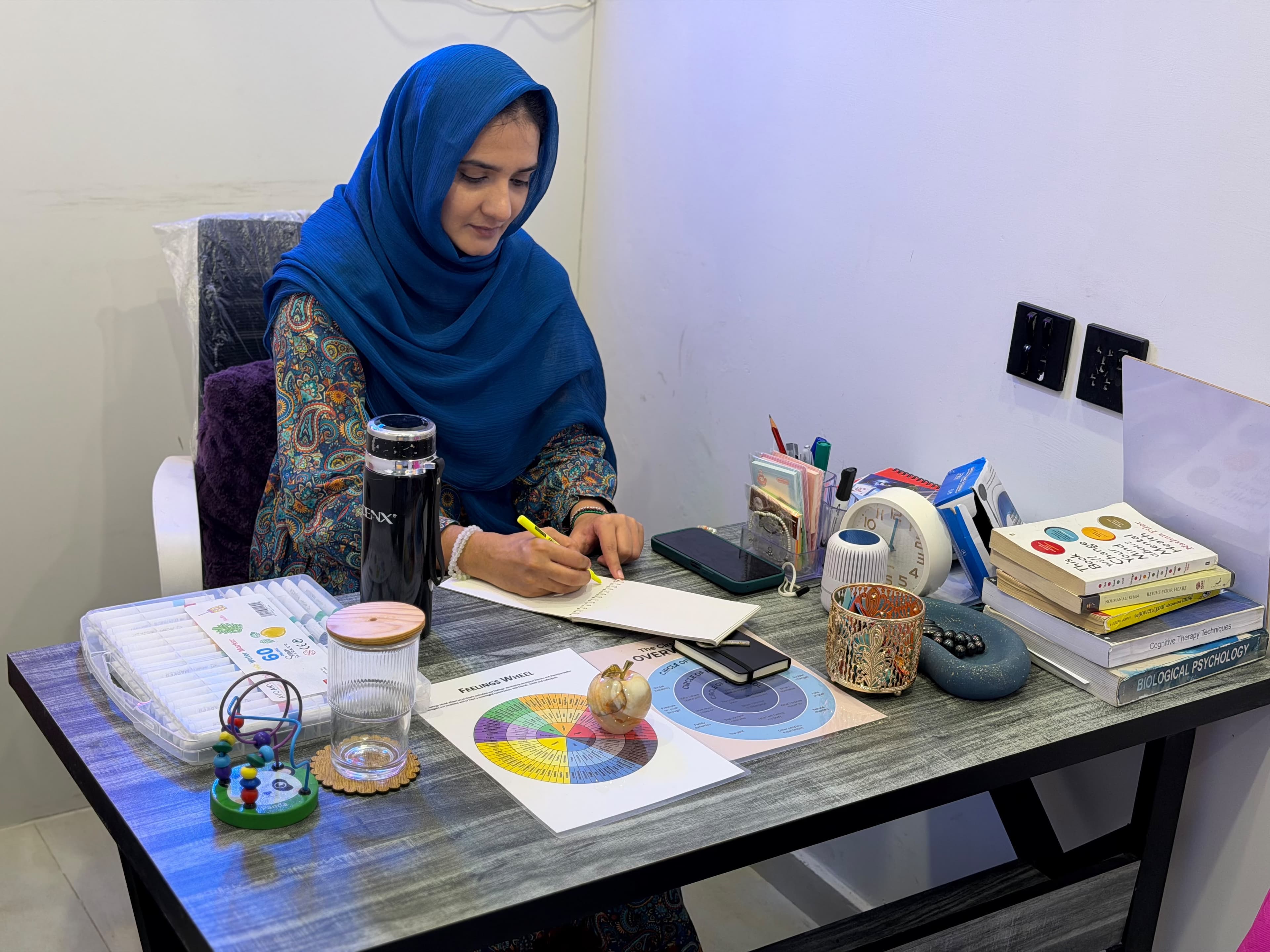
What Happens During Your First Therapy Session?
Not sure what to expect walking into your first therapy appointment? Here's an honest, step-by-step look at what actually happens.
What Happens During Your First Therapy Session?
Booking your first therapy session is a big step — and it's normal to feel nervous about what actually happens once you're in the room (or on the video call). Here's a clear, honest breakdown so you can walk in feeling prepared instead of anxious about the unknown.
Before the Session
Most therapists will send you intake paperwork ahead of time — consent forms, a history questionnaire, and practice policies (cancellation rules, confidentiality, fees). Filling this out in advance means less admin during your actual session time.
The First 10–15 Minutes: Introductions
Your therapist will likely start by explaining how sessions work, discussing confidentiality (including its limits, such as risk of harm to yourself or others), and answering any questions you have about the process. This is also your chance to ask about their approach, experience, or anything that would help you feel comfortable.
The Middle: Getting to Know You
This is usually the bulk of a first session. Your therapist will ask questions to understand:
• What brought you to therapy right now
• Your history — family background, past experiences, relationships
• Current symptoms or struggles (sleep, mood, stress, relationships, etc.)
• What you're hoping to get out of therapy
You are not expected to have a polished story or know exactly what's "wrong." Many people say things like "I just know something feels off" — that's a completely valid starting point.
You're Also Interviewing Them
A first session is a two-way conversation. You're allowed to notice whether you feel heard, whether their style fits you, and whether you feel safe being honest. It's normal — and encouraged — to try a couple of therapists before settling on the right fit.
Toward the End: Setting a Direction
Near the close of the session, your therapist may share initial impressions, suggest a possible focus for future sessions, or outline what ongoing therapy could look like. This isn't a final diagnosis or plan — it's a starting point.
What You Might Feel Afterward
It's common to feel:
• Relief, after finally saying things out loud
• Emotionally drained, since talking about hard things takes energy
• Uncertain, if you're not sure the fit is right yet
• Hopeful, especially once you have a clearer next step
All of these are normal reactions to a first session.
A Few Tips Going In
• You don't need to prepare a script — just show up honestly.
• It's okay to cry, go quiet, or not have all the answers.
• If something feels off about the fit, you're allowed to try someone else.
• Consistency matters more than perfection — one session rarely "fixes" anything, but it starts the process.
Curious what it would be like to talk to someone? Booking a first session is simply a conversation — not a commitment to anything more than showing up.
About the author